From first concept to full-rate production — comprehensive engineering solutions tailored to your requirements.
Our injection molding capabilities cover the full spectrum — from single-cavity prototype molds to high-volume multi-cavity production tools. We work with a broad range of engineering-grade thermoplastics and apply rigorous, data-driven scientific molding principles to ensure part-to-part consistency from lot to lot.
Every new mold is developed through a sequence of documented process studies — not trial-and-error. Each parameter is validated before full-rate production, so you get a process that is robust, repeatable, and transferable between machines and material lots.
Metal Injection Molding (MIM) is an advanced powder metallurgy process that combines the design freedom of plastic injection molding with the strength and performance of metal. At RC Precision, we deliver components made from fine metal powders through the advanced MIM process at our partner plants — with exceptional accuracy, repeatability, and material density.
Our mission is simple: deliver precision, performance, and reliability in every component we source and deliver — whether it's a batch of 10 or 10,000. From feedstock preparation to sintering, our partner plants' end-to-end MIM process ensures consistent quality for the most demanding applications in automotive, aerospace, medical, and consumer electronics.
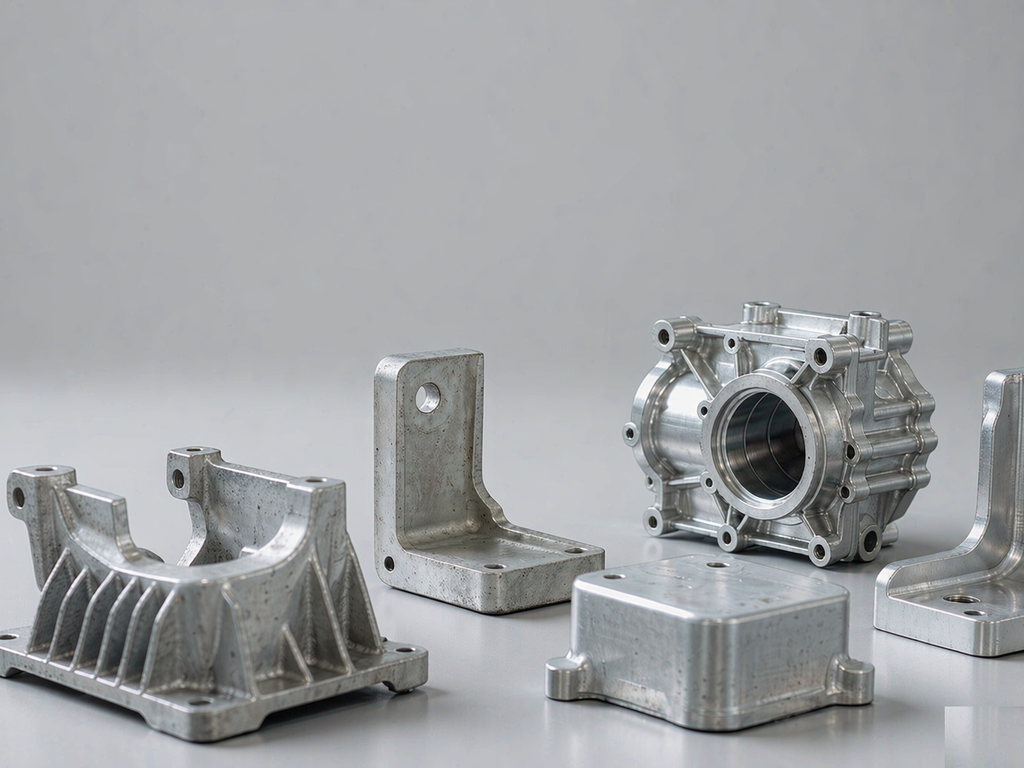
RC Precision sources precision high-pressure die casting (HPDC) for aluminum, zinc, and magnesium parts, produced in cold-chamber cells at our qualified partner plants. Die casting is the most economical route to net-shape metal components at volume — molten alloy is injected into a hardened steel die at high pressure and velocity, filling thin walls and fine detail in a single shot before the part solidifies under pressure. The result is a strong, dimensionally repeatable casting that needs far less secondary machining than sand or gravity casting.
We manage the entire program — DFM and gating/die-design review, tooling, first-article inspection, and full-rate production — with in-die trimming, CNC finishing, leak testing, impregnation, shot blasting, and surface treatment all coordinated through one point of contact. Tight as-cast tolerances and smooth finishes mean a lower total landed cost per part, even on complex geometries.
As an engineering-led sourcing partner, we don't just supply tools and parts — we own your program. A dedicated project manager coordinates every stage across our supplier network: tooling, molding, CNC, finishing, and logistics. You get a single point of contact instead of juggling a dozen factories.
That single accountability is what protects you. We set the master timeline, run quality gates at each milestone, and keep a complete documentation trail — so when your tools and parts ship, they arrive on spec and on time, with no finger-pointing between suppliers.
Our mold design & engineering team works hand-in-hand with our partner toolshops — experienced mold designers and tool makers who understand the full lifecycle of a production mold. We apply DFM (Design for Manufacturability) principles from day one to minimize cost, reduce lead time, and ensure mold longevity.
We maintain strong relationships with local toolshops, allowing us to source work with competitive lead times and pricing across a wide range of complexity and volume.
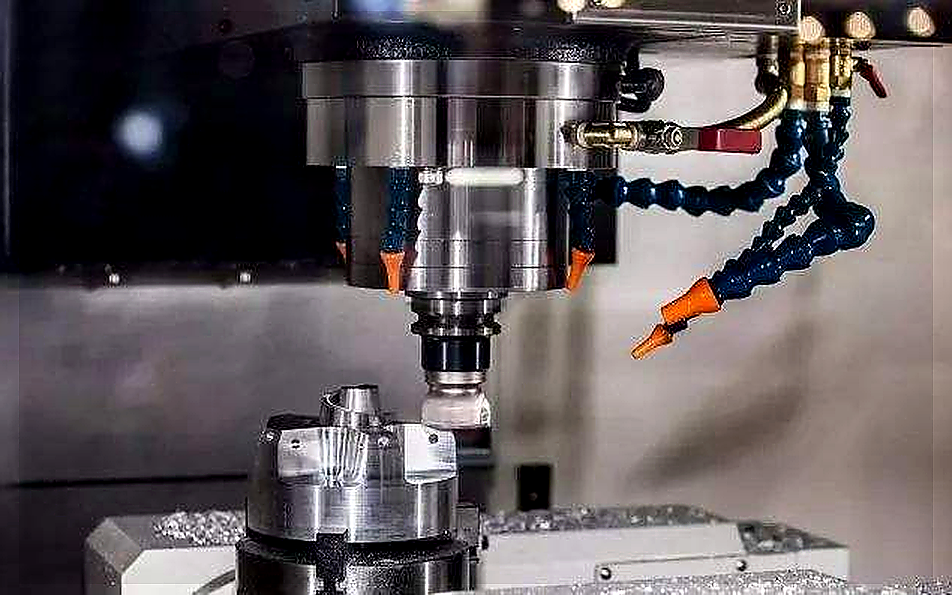
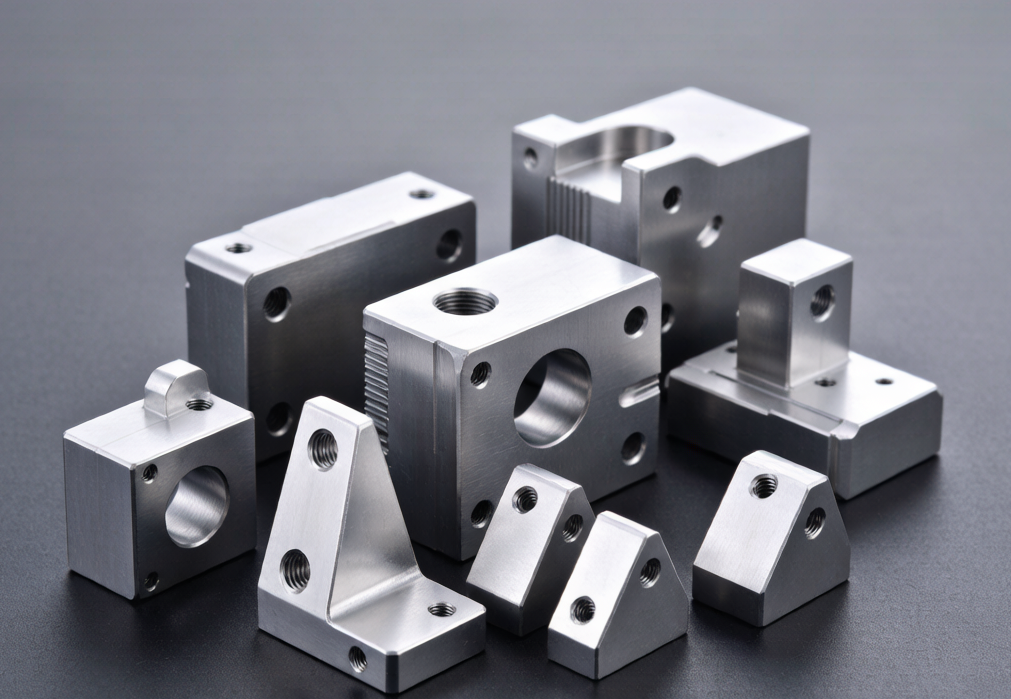
Through our network of modern 3-axis, 4-axis, and 5-axis machining centers, we produce complex metal parts with exceptional accuracy. We are proficient in machining a wide range of metals including aluminum, stainless steel, carbon steel, brass, and titanium.
Whether you need a single prototype or a recurring production run, our engineers review and optimize the machining strategy with our partner shops to minimize cycle time while holding the required tolerances throughout the run.
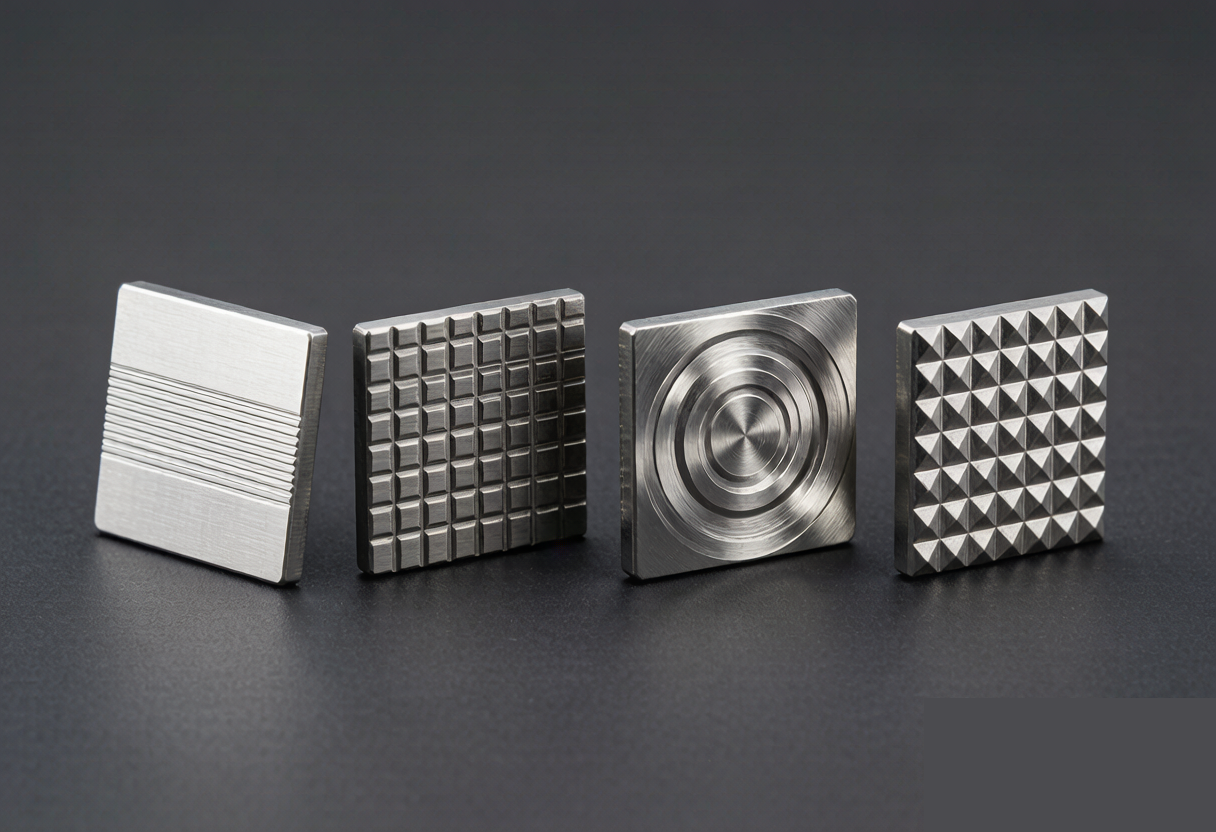
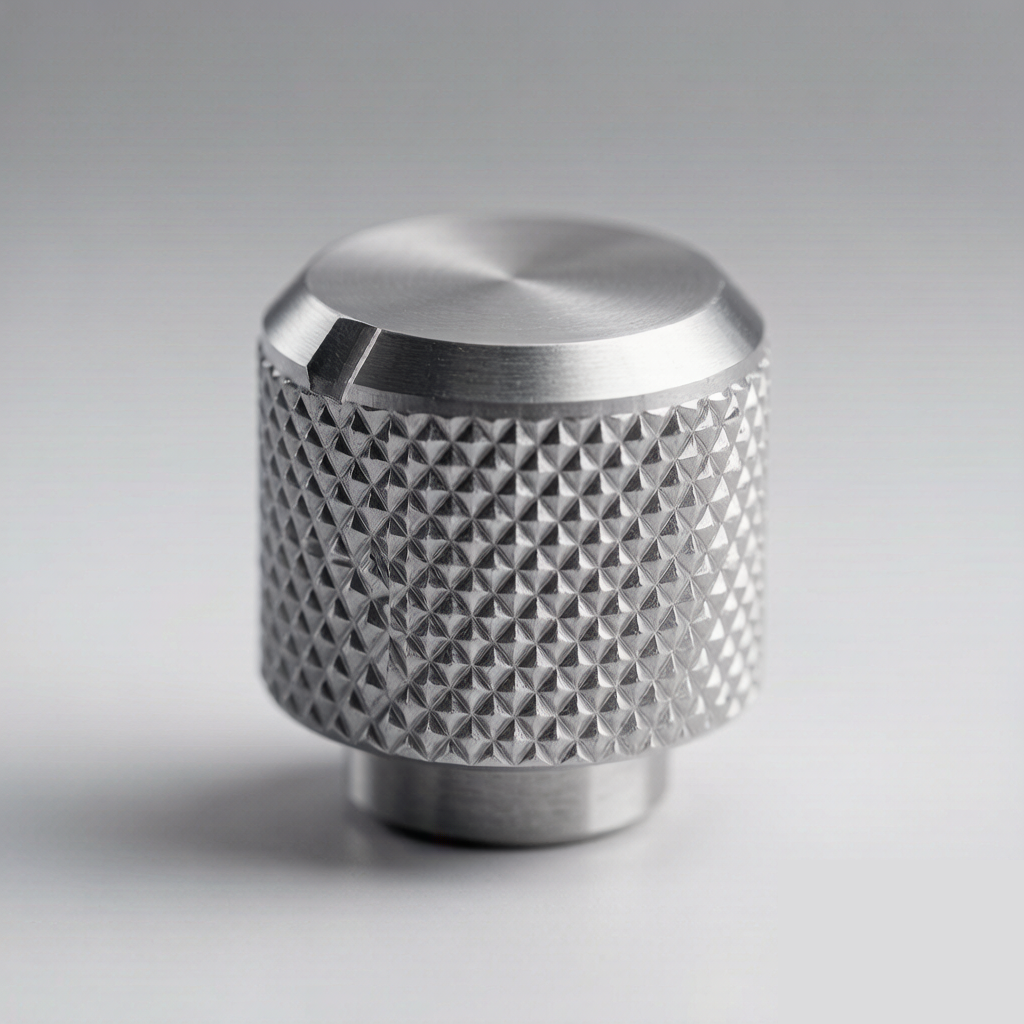
Beyond precision geometry, our CNC mills and lathes can produce decorative and functional surface textures directly on the part — the pattern is carved by the cutting tool, not by chemistry. This means hard, durable facets in the base metal (no coatings that can peel, no chemicals that attack adjacent surfaces, and full pattern control from CAD).
Common applications include decorative finishes on consumer products and luxury goods, functional grip texture on knobs and handles, glare reduction on instrument panels, and brand identity / logo relief milling on production parts.
Speed is critical in product development. Our Rapid Prototyping services help you validate designs quickly before committing to expensive production tooling. By coordinating tooling across our shop network, we keep mold build time and cost to a minimum — passing savings directly to our customers.
Our bridge tooling solutions are ideal when you need 50–500 parts to test the market or validate a design, without the upfront cost of hardened steel molds.
We bridge the gap between concept and production with advanced industrial 3D printing technologies. Unlike conventional production, 3D printing allows for complex geometries and internal structures that are impossible to machine or mold — making it ideal for functional testing and low-volume production.
Whether you're an individual inventor or an established company, we tailor our engineering and production services to fit your needs — from concept to market-ready product.
CAD modeling, industrial design, and aesthetic development for new products.
Material selection, process analysis, and cost modeling before tooling investment.
Simulation to predict fill patterns, warpage, and optimize gate locations.
Pad printing, hot stamping, painting, and laser engraving on finished parts.
Full production tooling, PPAP documentation, and volume ramp-up support.